The One-Gallon Rule: Water Storage Most Families Get Wrong
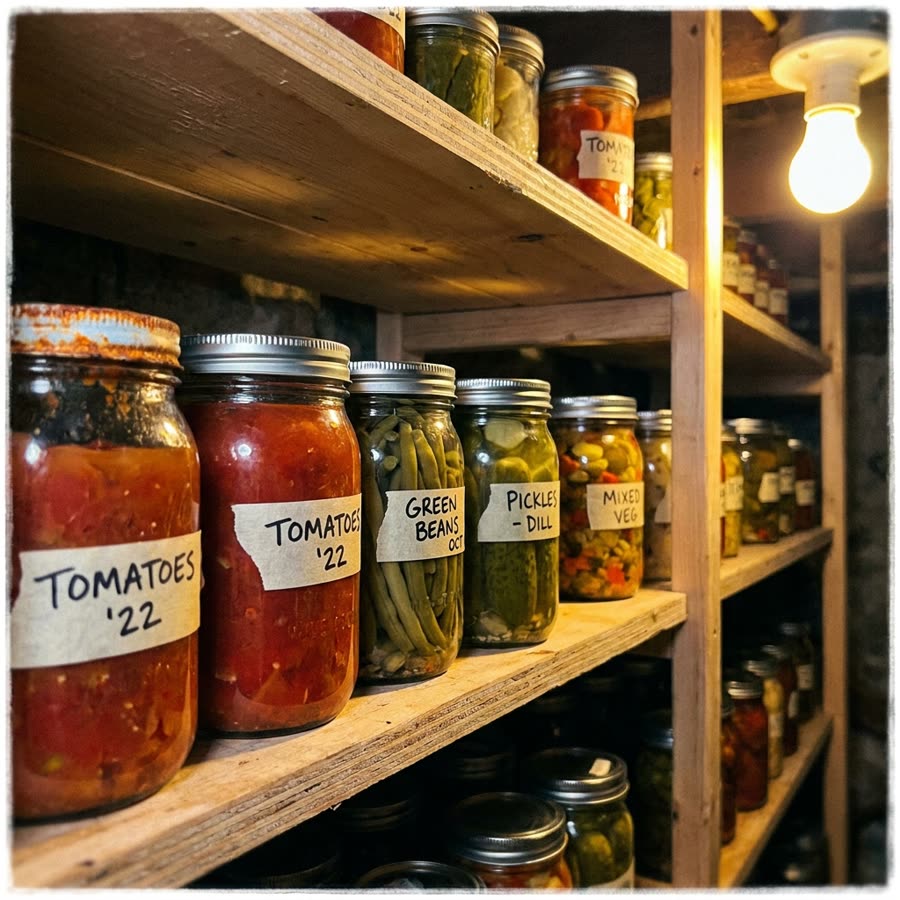
Walk into a well-stocked pantry and you'll usually find months of food — beans, rice, canned tomatoes back three rows deep. Then look for the water. In most homes it's a case of bottles from the last storm warning, enough for a day, maybe two. We prepare hardest for the thing that runs out slowest, and barely at all for the thing that runs out first.
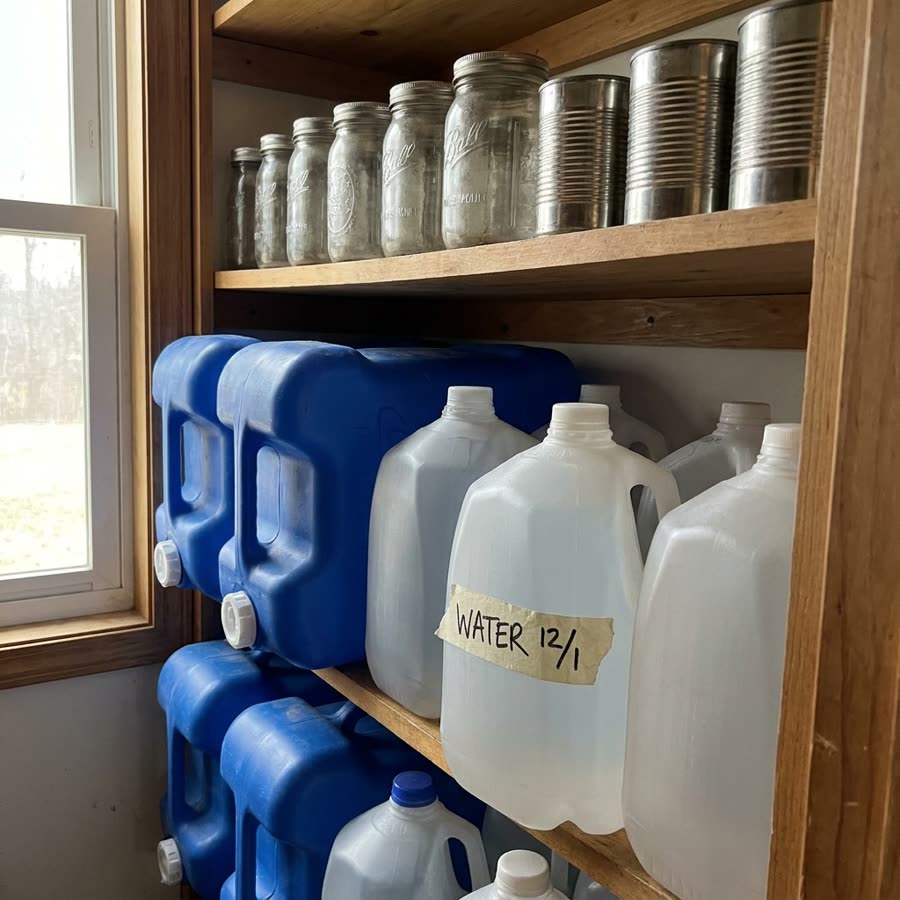
The rule of thumb used by emergency agencies is simple: one gallon per person per day — half for drinking, half for cooking and washing. For a family of four aiming at a two-week cushion, that's 56 gallons: a stack of containers about the footprint of a washing machine.
Three mistakes to avoid
All in one place. A burst pipe or a leak can take out a single stash. Split it: some in the pantry, some in the garage, a few gallons under beds.
Never rotated. Stored water doesn't spoil, but containers degrade and taste goes flat. Write the fill date on masking tape and rotate every six months — the tape is the whole system.
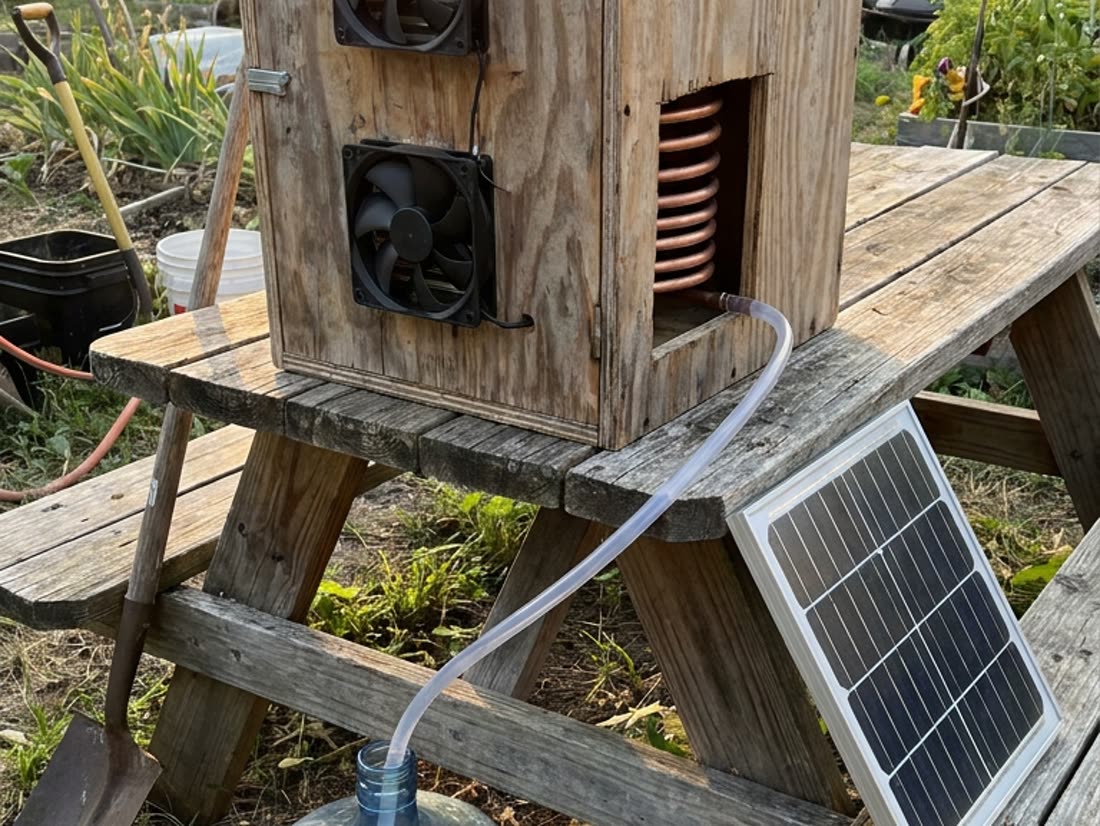
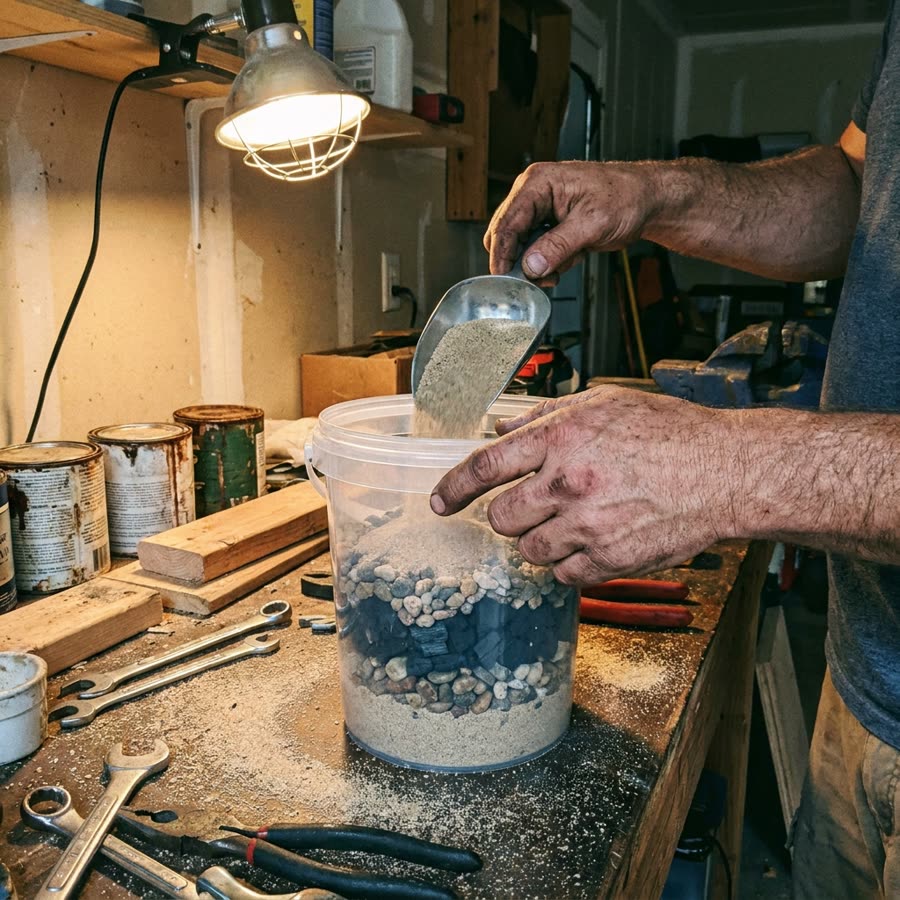
Only storage, no production. Storage is a buffer, not a source. Filtration, rain capture, and newer approaches like atmospheric water devices turn a two-week buffer into an ongoing supply — worth understanding before you need it.
None of this is dramatic, and that's the point. A shelf of labeled jugs is what calm preparation looks like.